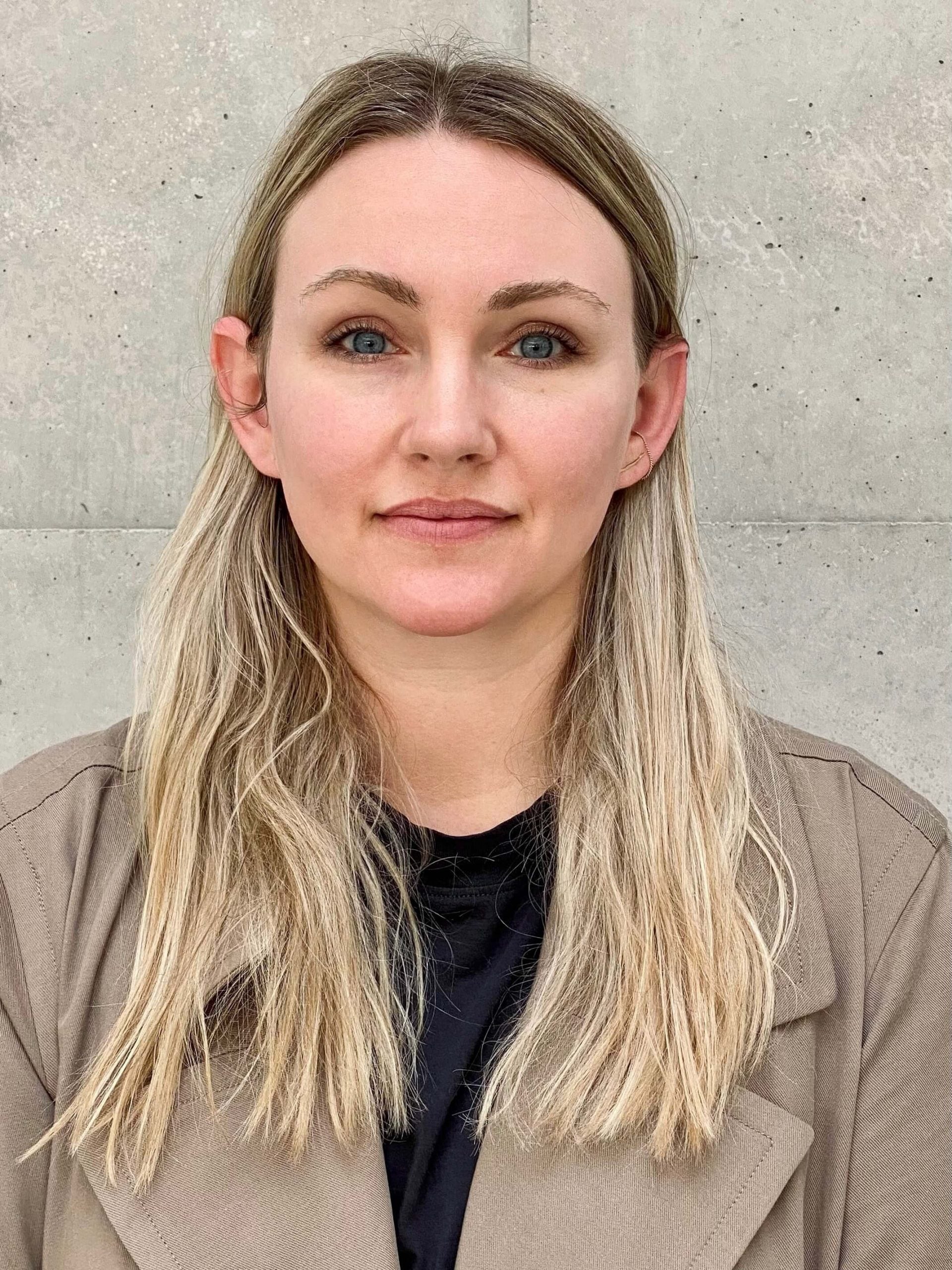
Ariel Hasell
BIO
Ariel Hasell is an Associate Professor of Communication and Media at the University of Michigan. Broadly, her research examines how the contemporary media environment influences exposure to information about science and politics, the effects of that exposure on knowledge and beliefs, as well as public engagement with science and politics in society. She uses quantitative methodologies to examine how an individual’s choice of media content influences various attitudes and behaviors, including information evaluation, motivations to process and share information, and trust in institutions.
Her current research is focused on two areas of inquiry. The first is related to how social media influencers are changing the nature of expertise and who is perceived to be an expert on topics related to science (e.g. sustainability and wellness) and politics (e.g. journalism and institutions). The second is related to how patterns of social media use can lead to negative views of journalism and politics, including feelings of news distrust, news fatigue, and political disengagement.
- Ariel Hasell, Brian Weeks, Halverson, Audrey. 2024. When Social Media Attack: How Exposure to Political Attacks on Social Media Promotes Anger and Political Cynicism. The International Journal of Press/Politics
- Ariel Hasell, Chinn, Sedona. 2024. Influence You Can Trust? Exploring Trust in Social Media Influencers for Political Information. American Behavioral Scientist
- Ariel Hasell, Chinn, Sedona. 2023. The Political Influence of Lifestyle Influencers: Examining the Relationship Between Aspirational Social Media Use and Anti-Expert Attitudes and Beliefs. Social Media Society
- Ariel Hasell, Chinn, Sedona. 2022. What does it mean to ?do your own research?? A comparative content analysis of DYOR messages in Instagram and Facebook posts about reproductive health, food, and vaccines. New Media & Society
- Ariel Hasell, Benjamin A. Lyons, Meghnaa Tallapragada, Kathleen Hall Jamieson. 2020. Improving GM Consensus Acceptance Through Reduced Reactance and Climate Change-based Message Targeting. Environmental Communication :987-1003.
- Ariel Hasell. 2019. The Differential Effects of Knowledge on Perceptions of Genetically Modified Food Safety. International Journal of Public Opinion Research 32(1):111-131.
- Benjamin A. Lyons, Ariel Hasell, Kathleen Hall Jamieson. 2019. Conversion messages and attitude change: Strong arguments, not costly signals. Public Understanding of Science 28(3)
- Benjamin A. Lyons, Ariel Hasell, Natalie Jomini Stroud. 2018. Enduring Extremes? Polar Vortex, Drought, and Climate Change Beliefs. Environmental Communication